

Issue 10 I Winter 2026
Previous Issues
-
FALL 2025
-
SUMMER 2025
-
SPRING 2025
-
WINTER 2025
-
FALL 2024
-
SUMMER 2024
-
SPRING 2024
Refresh Routines With Partners and Small Groups
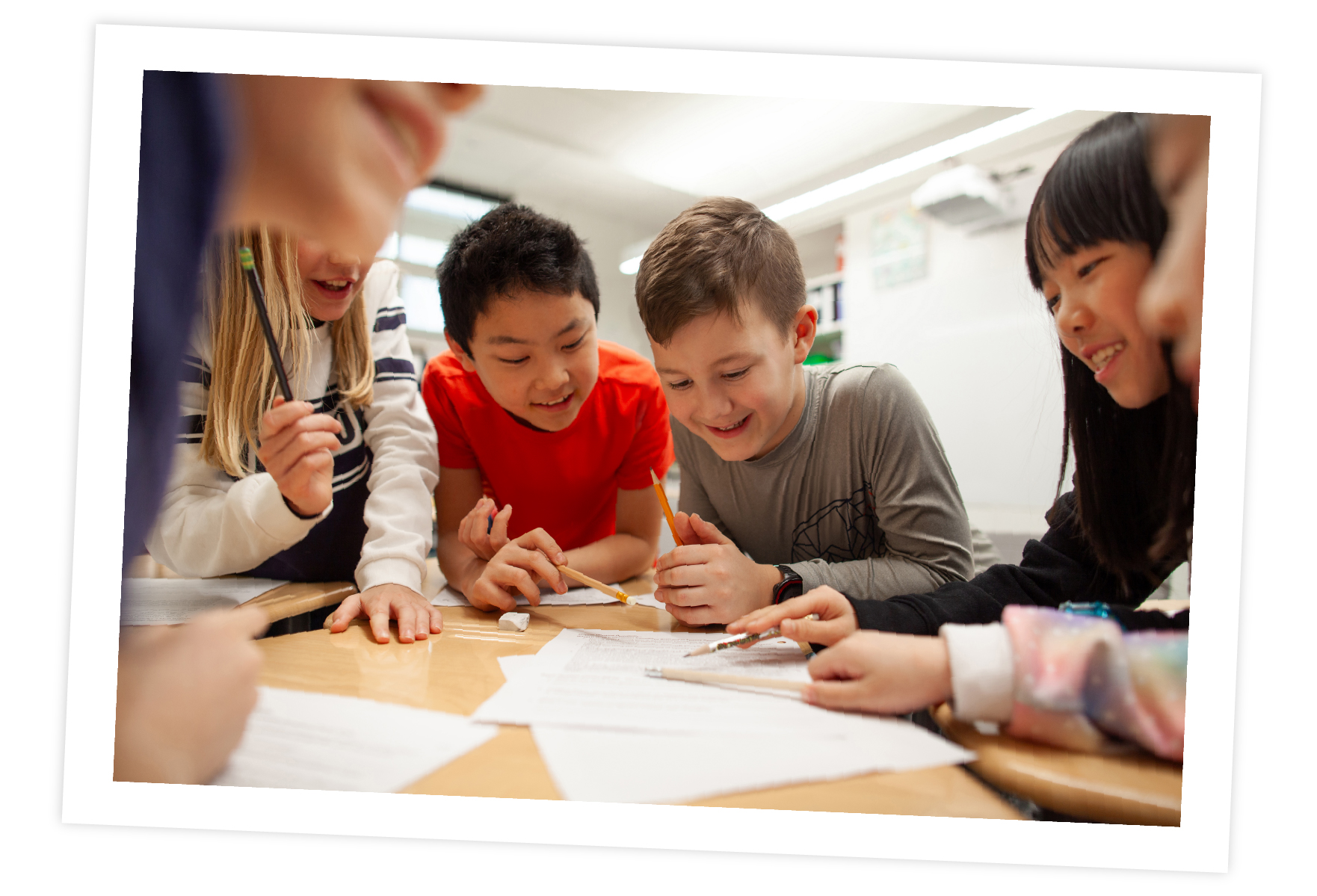
Are you looking for ways to refresh your classroom routine and spark new enthusiasm? Increased collaboration may be the answer! Here are some ideas for small changes that carry potential for big impact.
Reconfigure Small Groups
You may already use small groups to differentiate instruction in reading, math, or writing. How often do group configurations change? If students have worked closely with the same peers throughout most of the year, new groupmates may spark an “aha” moment!
Teachers often group students with similar skill levels, but that’s just one of many possible configurations. You might try these alternatives—in addition to skill-level groups or as a periodic deviation from them.
-
Strategy-Specific Groups
This one requires good knowledge of what students need to work on. A kindergarten teacher might have one group of readers working on tracking print from left to right, another encoding simple words or writing letters that match sounds, and yet another clapping or counting syllables in words. -
Interest- or Genre-Specific Groups
Crank up student motivation by grouping them based on their preferred genre or topics of interest in reading or writing. One group can read about animals while others read about transportation or weather. Or perhaps one group writes personal narratives while others write realistic fiction or narrative poems. -
Random Groups
Place colored tiles in a bag and ask students to draw from the bag to determine groupings. Or simply invite students to “count off” and group the 1s, 2s, 3s, etc. Groups will contain students of different skill sets, which can help students break out of habitual roles and thinking. -
Student-Selected Groups
Yes, seriously. Letting students choose their own groups is not a recipe for disaster. It’s how we often operate in the real world when choosing a book club or business partners. You can honor student choice with an added layer of teacher discretion. Invite everyone to list ten kids they’d like to work with, and then match up groups keeping students’ preferences and their needs in mind.

Pair Up After Independent Work
Interested in collaboration on a slightly smaller scale? Try increasing the amount of partner work students do throughout the day.
If you’ve ever had an “accountability partner” that helped guarantee you showed up at the gym, you can perhaps imagine how partners can fill a similar role in the classroom. You might invite students to pair up for 5–10 minutes after independent work to check for completion, compare strategies, and/or share something they discovered or wondered.
After independent work in math, for example, a pair of students could discuss how each solved a problem and determine whose strategy was most efficient—or together propose another way to solve the problem.
After independent reading, students could practice summarizing their texts to each other—a great way to introduce the idea of book recommendations perhaps. Or, students reading the same text could discuss responses to a prompt you provide.
After writing independently, two students could take turns sharing and listening or reading, providing constructive feedback for expanding or strengthening text.
Add Collaborative Tasks
You can also look for opportunities to convert independent tasks into collaborative ones.
- If you use activity centers, designate one or more specifically for partner or small group activities.
- If you assign Morning Work, allow students to work together one or more days each week.
- If you offer Morning Choice activities, provide at least one option where students can work together in pairs or small groups.
Because procedures and behavior expectations are well established for these routines, collaboration feels refreshing and familiar simultaneously.
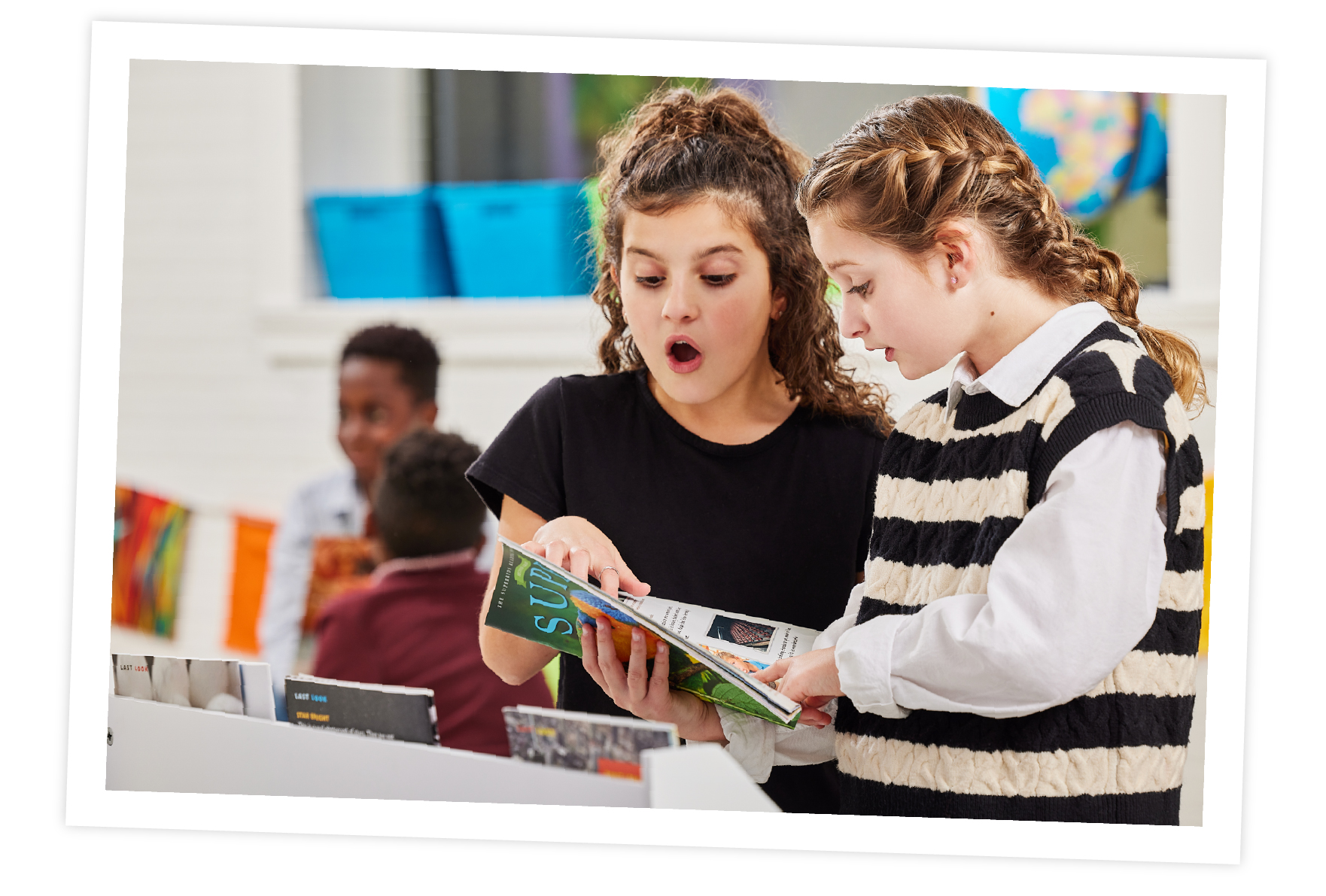
Free Resources to Support Collaboration
Need new materials to support more collaborative tasks? These free resources from Zaner-Bloser can help!
- Download a spelling game mat to help partners practice spelling words.
- Try a whole-class number line activity to build number sense.
- Play a phonics or fluency game with reading groups.
Follow Zaner-Bloser on social media for more ready-to-use freebies like these.
Free Resources
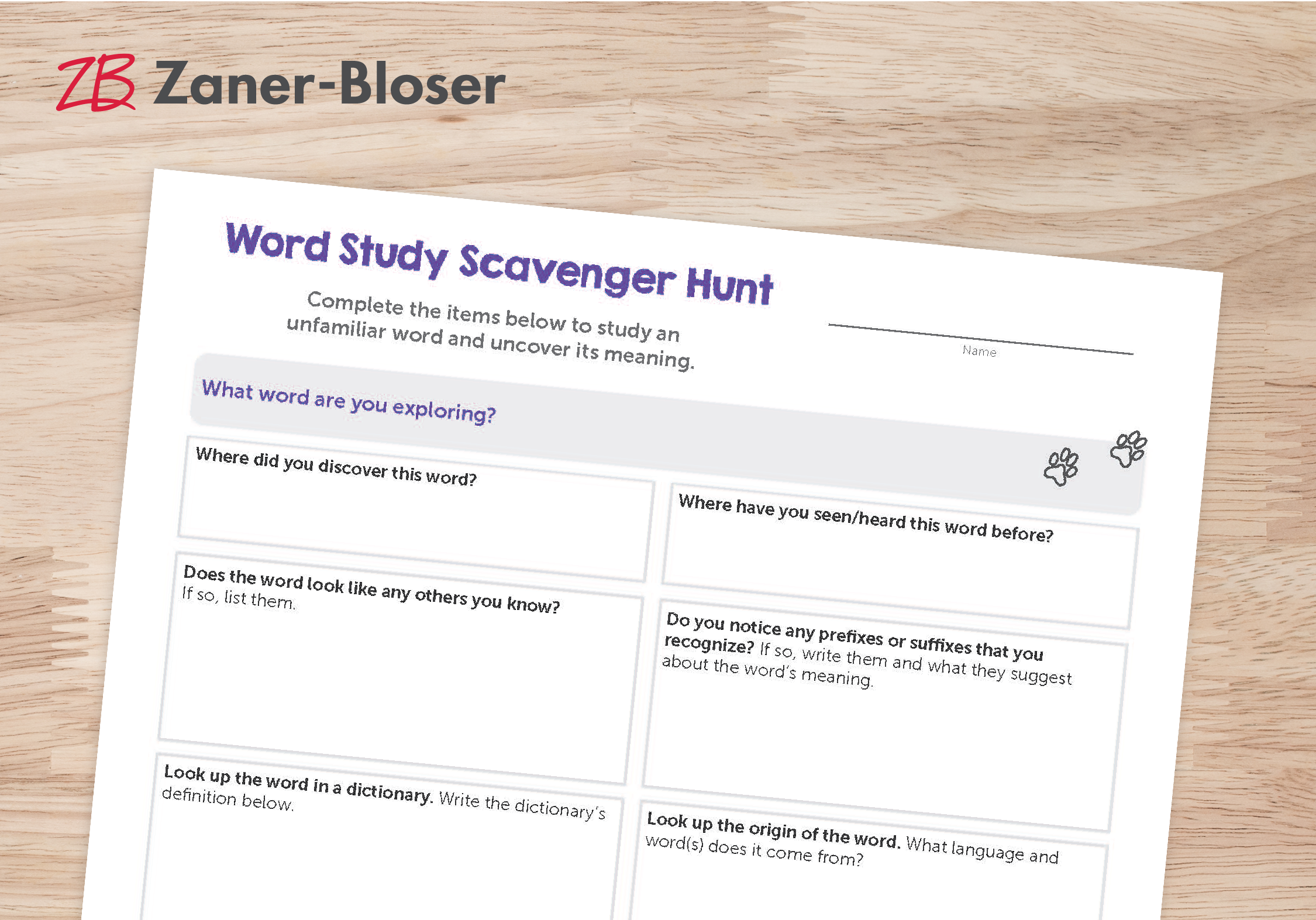
Word Study Scavenger Hunt
Model word study skills with a scavenger hunt-inspired worksheet for independent or collaborative work.
Download
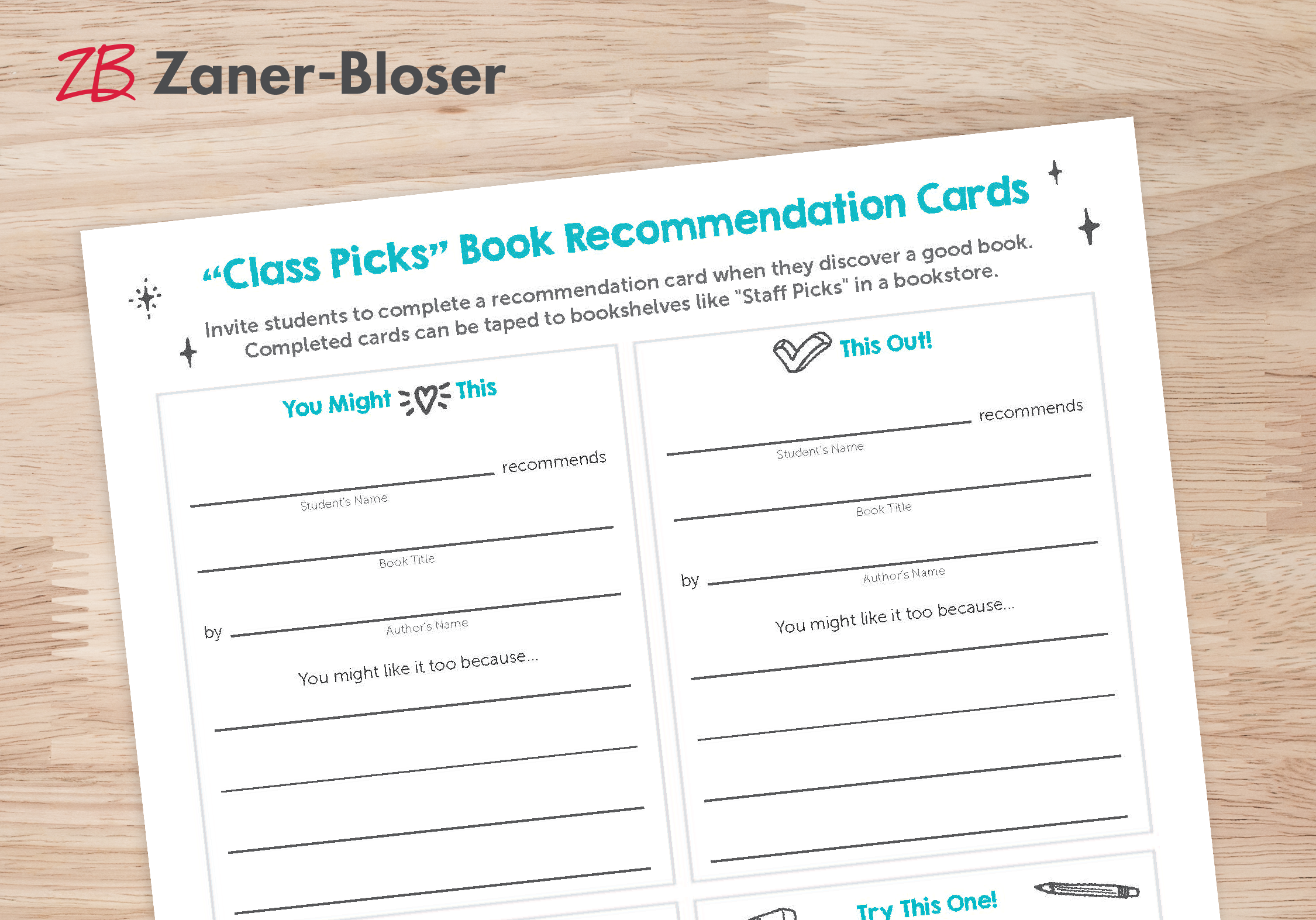
Book Recommendation Cards
Foster a community of readers by helping students share books they love with each other. Completed cards can be displayed on shelves like "Staff Picks" in bookstores.
Download

Email us at
thehive@zaner-bloser.com